Nigerian Music Digital Archive
Documenting Nigeria’s Sound. Preserving Its Stories.
The mission of the Nigerian Music Digital Archive is to preserve, document, and contextualise Nigeria’s music heritage through accurate research, cultural storytelling, and responsible digital preservation, ensuring that the contributions of artistes and music practitioners are recorded for present and future generations.
Nigerian Music: A Historical Timeline
Highlife Foundations (1950s–1960s)
Modern Nigerian popular music emerges.
→
Post-War Electrification (1970–1974)
Youth culture embraces amplified sound.
→
Afro-Funk Band Era (Early–Mid 1970s)
Groove-driven electric bands dominate.
→
Afrobeat Movement (1970s)
Political rhythm reshapes global perception.
→
FESTAC ’77 (1977)
African cultural convergence in Lagos.
→
Disco & Nigerian Pop Rise (Late 1970s–Early 1980s)
Studio polish and solo stardom emerge.
→
Reggae & Conscious Music (Mid-1980s–Early 1990s)
Social commentary meets popular sound.
→
Urban Fusion Era (1990s–2000s)
Afro Hip-Hop and R&B, Sounds of Ajegunle, Afro-pop, and Neo-soul reshape youth music.
→
Global Afrobeats Era (2010s–Present)
Back to History: A Brief Journey Through Nigerian Music
Back to History is an introductory journey into the evolution of music in Nigeria, tracing how sound, culture, and identity have moved together across generations.
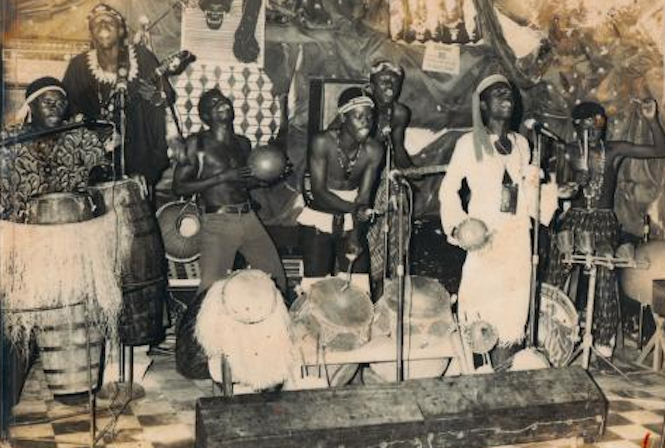
From indigenous traditions and highlife in the early post-independence years, through juju, apala, fuji, afrobeat, disco, and reggae, Nigerian music has continually reflected social change, belief systems, politics, and everyday life.
This story sets the foundation for understanding the artistes, record labels, and movements that shaped Nigeria’s musical heritage — and how the past continues to echo in contemporary sounds. Read more
Highlife Music: The sound of the West Africa
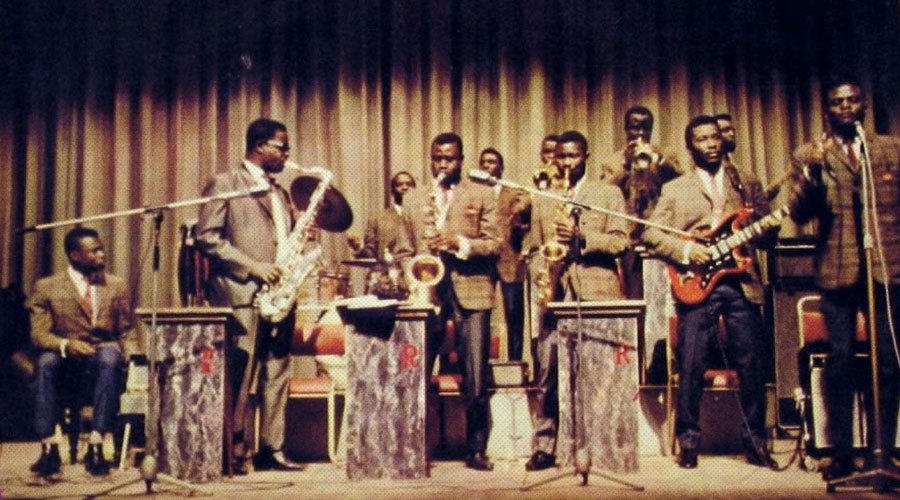
Origins, Rivalries, Regional Dialects, and Revival
Highlife is the foundation of modern Nigerian popular music.
From its coastal Ghanaian origins to Lagos dance halls, from Osadebe’s communal grooves to Oliver De Coque’s theatrical expansions, from Prince Nico Mbarga’s continental success to Flavour and The Cavemen’s revival — Highlife shaped the sound of a nation.
Even contemporary Afrobeats carries its DNA.
This chapter explores how Highlife evolved, how it fragmented across regions, why it lost dominance, and how it continues to live inside today’s music. Read the full Highlife story
Post-War Youth and the Electrification of Nigerian Sound (1970–1974)
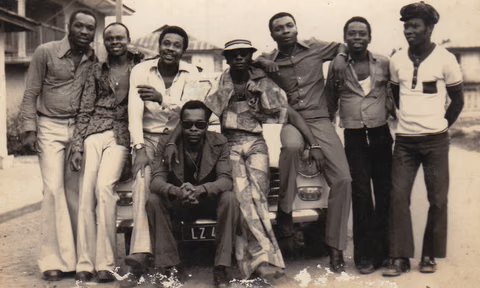
The end of the Nigerian Civil War in 1970 marked a cultural turning point as much as a political one. A new generation, shaped by conflict and reconstruction, began redefining Nigerian popular music through amplified instruments, urban dance culture, and global sonic influences. Between 1970 and 1974, electric guitars, funk basslines, and groove-driven rhythms displaced horn-led highlife dominance, laying the foundation for Nigeria’s Afro-funk era and the modern transformation of its sound.
The Afro-Funk Era (1970–1977)
Following the Nigerian Civil War, a new generation transformed the nation’s sound through electrified guitars, funk-driven rhythms, and experimental band culture. The Afro-Funk era marked Nigeria’s transition from traditional highlife dominance to modern urban popular music, culminating in the cultural convergence of FESTAC ’77 and laying the foundation for the rise of disco and Nigerian pop in the decades that followed. Read more
Afrobeat and Fela Phenomenom
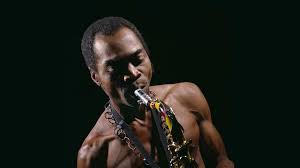
Afrobeat, pioneered by Fela Anikulapo Kuti, transformed Nigerian music in the 1970s by blending highlife, jazz, funk, and African rhythms into a powerful musical and political statement. Emerging during the Afro-Funk era, Afrobeat expanded Nigerian sound onto the global stage and became one of the country’s most influential musical innovations….Read more
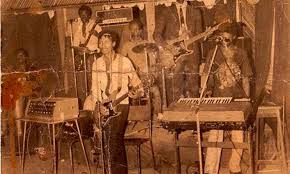
FESTAC ’77
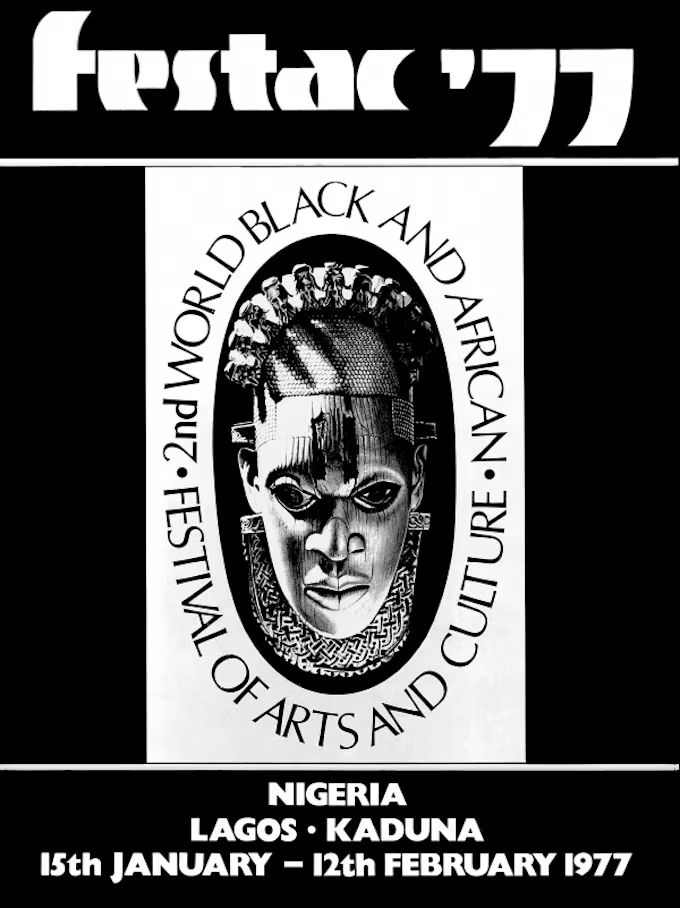
FESTAC ’77 was one of the largest cultural gatherings ever held in Africa, bringing artists and performers from across the continent and the Black diaspora to Lagos in 1977. For Nigerian music, the festival marked the global visibility of the country’s thriving highlife, Afro-Funk, and Afrobeat movements and symbolised the peak of the creative energy that defined the 1970s. Read more
Mazi Pal Akalonu and Aba’s Music Explosion
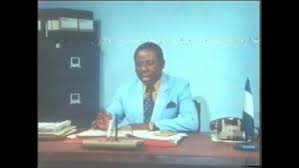
Television presenter and producer Mazi Pal Akalonu helped shape the Afro-Funk movement of the 1970s from the city of Aba. Through his programme Now Sound and his work producing more than fifty recordings for bands and artists, he provided a platform for many musicians during a formative period in Nigerian music history. Read More