4
Overview
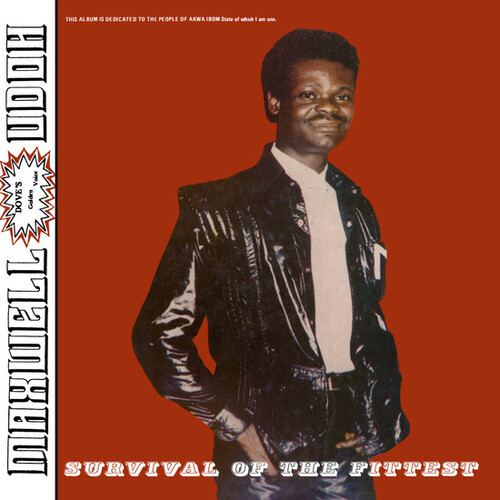
Maxwell Udoh was a prominent Nigerian musician whose career spanned multiple transformational phases of Nigerian popular music — from the Afro-Funk band era of the 1970s through the pop transition of the 1980s and into the reggae movement that dominated parts of the late 1980s and early 1990s.
Best known as the lead vocalist of The Doves, Udoh later established himself as a successful solo artiste, particularly influential across Nigeria’s South-East and South-South regions.
The Doves and the Afro-Funk Era
Maxwell Udoh rose to national and regional prominence when he assumed the role of lead singer of The Doves following the death of the band’s earlier frontman, Lawrence Ebanga.
Under Udoh’s leadership, The Doves became part of Nigeria’s vibrant Afro-Funk movement, blending groove-driven instrumentation with socially conscious lyrical themes and dance-oriented performance styles.
Songs such as “Everything Gonna Be Alright” and “What Is Life” reflected a musical environment shaped by optimism, social reflection, and youth engagement during the post-war decades.
Evolution into Solo Stardom
Unlike many contemporaries whose careers remained tied to a single genre, Maxwell Udoh successfully transitioned into solo performance during Nigeria’s shift toward structured pop music in the 1980s.
As a solo artiste based largely in Umuahia, Abia State, he built a strong regional following, becoming especially popular among youth audiences across:
- Akwa Ibom State (his home state)
- Abia State
- The wider South-East and South-South regions
Notable solo recordings included songs such as Daka No Mi and I Still Love You, which reinforced his reputation as a versatile performer.
Reggae Era and Musical Adaptation
As reggae music gained prominence in Nigeria during the late 1980s and early 1990s, Udoh again adapted his musical direction. His embrace of reggae placed him among musicians who used the genre as a vehicle for reflection, spirituality, and social commentary during a changing national climate.
This ability to evolve across Afro-Funk, pop, and reggae underscores his importance as a transitional figure in Nigerian music history.
Leadership and Community Influence
Beyond performance, Maxwell Udoh played an institutional role within the music community. He served as Chairman of the Musicians Association in Abia State, contributing to the organisation and welfare of practicing musicians within the region.
His influence extended beyond recordings into mentorship and local industry leadership.
Legacy
Maxwell Udoh remained a respected musical figure until his passing in 2014. Though often underrepresented in national mainstream histories, his impact within regional music circuits and among live performance audiences remains significant.
His career illustrates how Nigerian music history was sustained not only by nationally celebrated stars but also by regional icons who preserved performance culture across decades of industry change.