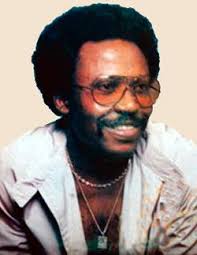
Profile Overview
Harry Mosco Agada was one of the most distinctive voices of Nigeria’s Afro-Funk and disco era. Emerging from the post–Civil War musical landscape, Mosco first gained prominence as a member of the influential band The Funkees before establishing himself as a successful solo artiste in the late 1970s and early 1980s.
Blending elements of highlife, funk, soul, and disco, and reggae, Mosco helped shape the transition from Nigeria’s band-driven Afro-Funk movement to the studio-oriented pop and disco sounds that dominated the Lagos music scene in the early 1980s.
Early Musical Beginnings
Harry Mosco’s musical career began in the vibrant Eastern Nigerian music environment that flourished during the late 1960s and early 1970s. During his formative years, he worked alongside the celebrated highlife musician Celestine Ukwu, gaining exposure to professional band culture and the highlife tradition that dominated Nigerian popular music at the time.
These early experiences helped shape Mosco’s musical sensibility, combining highlife structure with a growing interest in funk and soul influences.
The Funkees and the Afro-Funk Era
Following the Nigerian Civil War, Mosco became a founding member of The Funkees, one of the most prominent Afro-Funk bands to emerge from Eastern Nigeria.
The band quickly gained recognition for its electrified sound and energetic performances, contributing to the broader transformation of Nigerian music during the 1970s.
As a member of The Funkees, Mosco participated in the development of a musical movement that fused:
- highlife rhythms
- funk basslines
- psychedelic guitar textures
- soul-inspired vocals
This era marked the rise of electrified youth bands that reshaped Nigeria’s musical landscape after the war.
Solo Success and the Disco Era
After his time with The Funkees, Harry Mosco embarked on a solo career that coincided with the emergence of disco and studio-driven pop music in Nigeria.
His recordings combined Afro-Funk grooves with the dance-oriented sound of international disco, helping define Lagos nightlife during the late 1970s and early 1980s.
Among his most notable recordings are:
- Country Boy
- Sugar Cane Baby
- Peace & Harmony
These songs reflected the growing shift from large touring bands toward studio production and solo performers.
Business Ventures
Beyond music, Mosco also ventured into business, establishing HM Wines, an enterprise that reflected the entrepreneurial spirit shared by many Nigerian musicians seeking financial stability beyond recording and performance.
Like several artists of his era, Mosco navigated the complex intersection of music, business, and changing industry structures.
Later Years and Rediscovery
In later years, Harry Mosco’s work fell somewhat outside mainstream Nigerian music narratives as new genres and artists emerged.
However, his recordings experienced renewed attention decades later through vinyl collectors, DJs, and international enthusiasts of vintage African music. Reissues and remixes helped introduce his music to a new generation of listeners around the world.
Historical Significance
Harry Mosco occupies an important place in Nigerian music history as a bridge between two major eras:
- the Afro-Funk band movement of the 1970s
- the disco and studio-pop explosion of the early 1980s
His recordings demonstrate how Nigerian musicians absorbed global influences while maintaining distinctive local musical identities.
Adaptation of International Pop Songs
During the late 1970s and early 1980s, Harry Mosco also experimented with reinterpretations of international popular songs, demonstrating the openness of Nigerian musicians to global musical dialogue.
Among the most notable were his versions of “Imagine,” originally written by John Lennon, and “Say I Love You,” by Eddy Grant.
Mosco’s renditions did not merely replicate the originals. Instead, they incorporated elements of Nigerian rhythm and Afro-funk sensibility, illustrating how Nigerian musicians of the period creatively adapted international material for local audiences.
These reinterpretations represent one of the early examples of Nigerian artists engaging directly with global pop repertoire — a practice that would later become common in the evolution of contemporary African popular music.
Legacy
Although often underrepresented in mainstream histories, Harry Mosco’s contributions to Nigerian funk and disco remain significant.
Through his work with The Funkees and his later solo recordings, he helped shape one of the most vibrant periods in Nigeria’s musical evolution — a period whose influence continues to echo in contemporary African popular music.