4
Overview
The end of the Nigerian Civil War in 1970 marked more than political reunification. It triggered a cultural reset.
A generation shaped by conflict now sought expression, release, and modernity. Music became the primary vehicle for that transformation.
Between 1970 and 1974, Nigerian popular music underwent decisive electrification.
A Generation Reclaiming Sound
Post-war Nigeria experienced:
- Rapid urban migration
- Expansion of nightlife culture
- Increased exposure to American soul, funk, and rock
- Youth-centred dance movements
Young Nigerians absorbed global sounds and reinterpreted them through local rhythmic traditions.
The result was fusion — not imitation.
From Horn Sections to Electric Guitars
Pre-war highlife was dominated by:
- Large horn sections
- Ballroom circuits
- Structured orchestration
Post-1970 youth bands prioritised:
- Electric lead guitar
- Amplified bass
- Drum-driven grooves
- Repetitive dance rhythms
The sonic centre shifted from horn arrangements to electrified instrumentation.
This marked the foundation of Nigeria’s Afro-rock and Afro-funk experimentation.
Eastern Nigeria’s Cultural Resurgence
Cities such as Enugu and Aba became epicentres of youth revival.
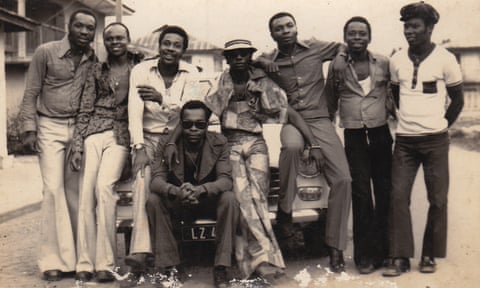
Bands like The Funkees emerged from this environment, representing:
- Cultural reconstruction
- Urban confidence
- Modern identity formation
Electrification became symbolic — not just musical.
Oil Boom & Infrastructure
The early 1970s oil boom accelerated change:
- Imported instruments became more accessible
- Recording facilities expanded
- Private labels increased
- Larger performance venues emerged
Music scaled beyond regional circuits.
Bridge to the Afro-Funk Era
By the mid-1970s, this electrified youth movement consolidated into what is now recognised as Nigeria’s Afro-Funk era.
The period 1970–1974 is best understood as:
- The hinge between traditional highlife dominance and Afro-funk modernity
- The training ground for future solo stars
- The foundation for disco and structured pop transitions
Without this electrified youth movement, the later rise of Nigerian pop would not have unfolded as it did.
Joseph Asikpo